
SURGERY TIPS
We are pleased to share practical tips on preparing for surgery, what to expect during and after the procedure, and the best ways and practices for ensuring a safe, efficient recovery while promoting long-term health maintenance.
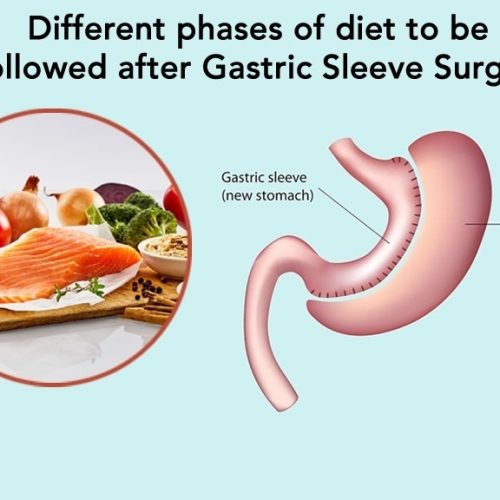
What shall we eat after bariatric surgeries?
1- Follow the dietary plan provided by your dietitian, progressing gradually from liquids to soft foods and then to solid foods.
2-Eat small, frequent meals, chew food thoroughly, and eat slowly.
3-Focus on adequate protein intake to support healing and preserve muscle mass.
4-Avoid sugary foods, carbonated beverages, and high-fat meals.
5-Drink sufficient water between meals, and avoid drinking during meals.
6-Take prescribed vitamins and nutritional supplements regularly to prevent deficiencies.
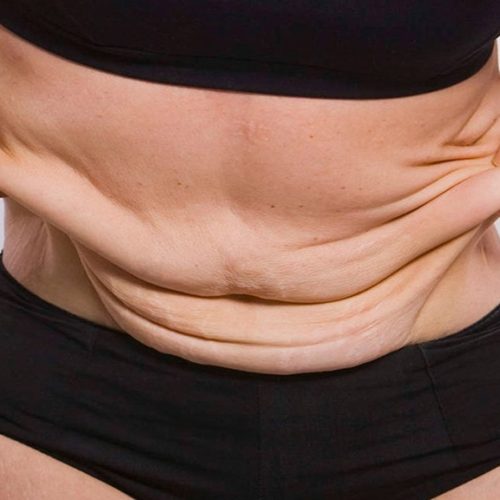
what about sagging after bariatric surgeries.
1-Rapid weight loss may lead to skin laxity, especially in the abdomen, arms, and thighs.
2-Staying well hydrated and consuming enough protein can help improve skin elasticity.
3-Strength training exercises can help reduce the appearance of loose skin.
4-In some cases, cosmetic procedures may be considered after weight stabilization.
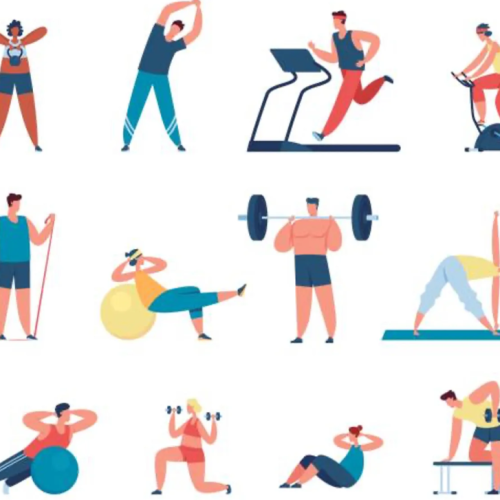
Exercise and Physical Activity
1-Begin with light walking soon after surgery as advised by your doctor.
2-Gradually increase physical activity after recovery, focusing on aerobic exercises and light strength training.
3-Avoid strenuous workouts and heavy lifting during the early postoperative period.
4-Make regular exercise part of your lifestyle to maintain weight loss and long-term results.

Psychological Support and Lifestyle Changes
1-Psychological support is a fundamental component of successful bariatric surgery outcomes, as patients experience physical and behavioral changes that may affect their mental well-being.
2-It is normal to face challenges such as anxiety, mood changes, or frustration during the early postoperative period; therefore, seeking psychological support when needed is strongly recommended..
3-Ongoing psychological follow-up helps enhance self-confidence, improve body image, and support adaptation to the new lifestyle.
4-Long-term success depends on making permanent dietary and behavioral changes, including avoiding emotional eating and maintaining healthy habits.